Electrical
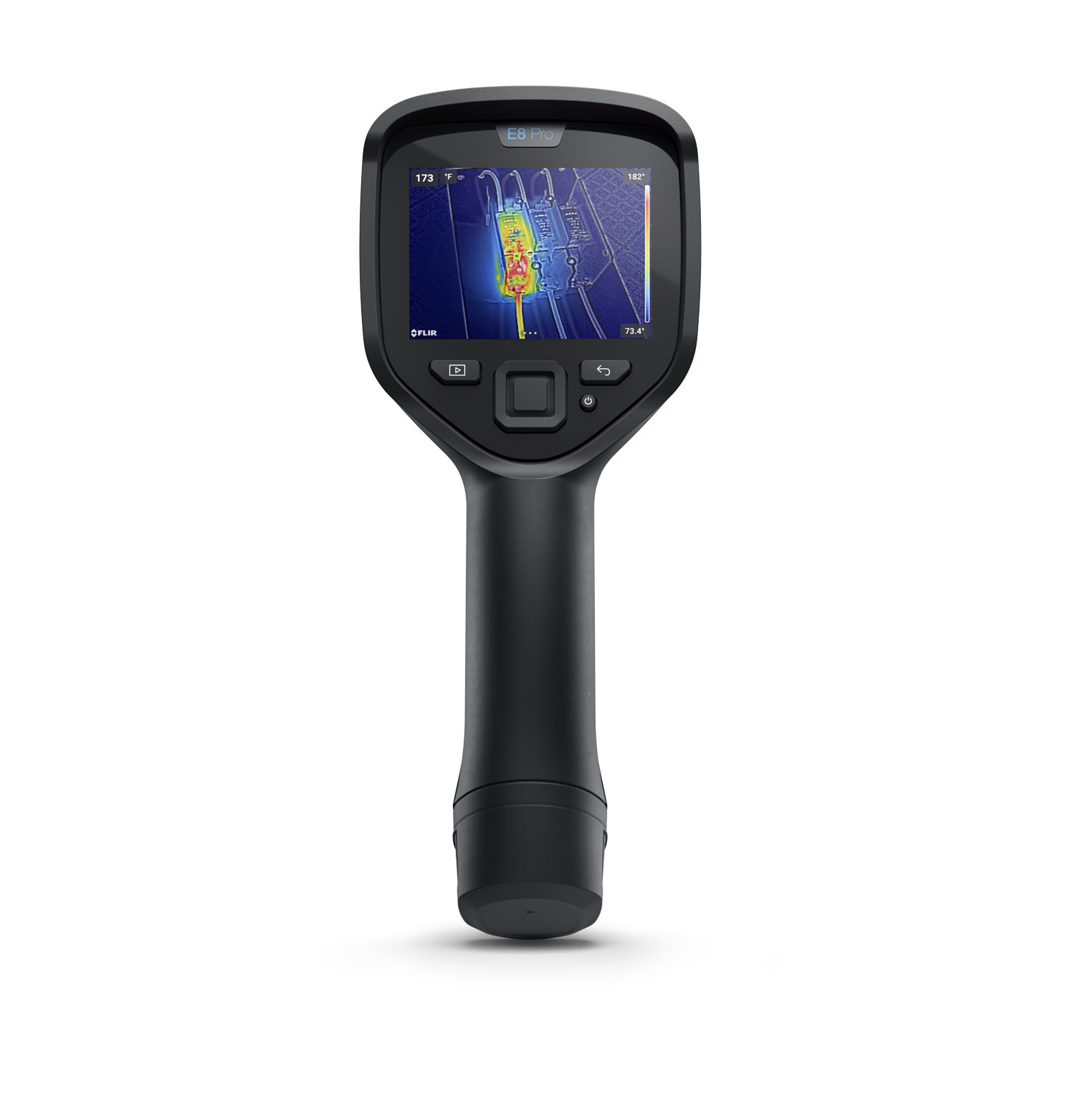
The industry standard for electrical scanning is 320 × 240 pixels and above. It’s the most important spec when you choose a camera for electrical work, and every camera on this page meets it.
A thermal camera shows the heat you can’t see in an electrical system: loose connections, overloaded circuits and failing parts, before they cause damage.
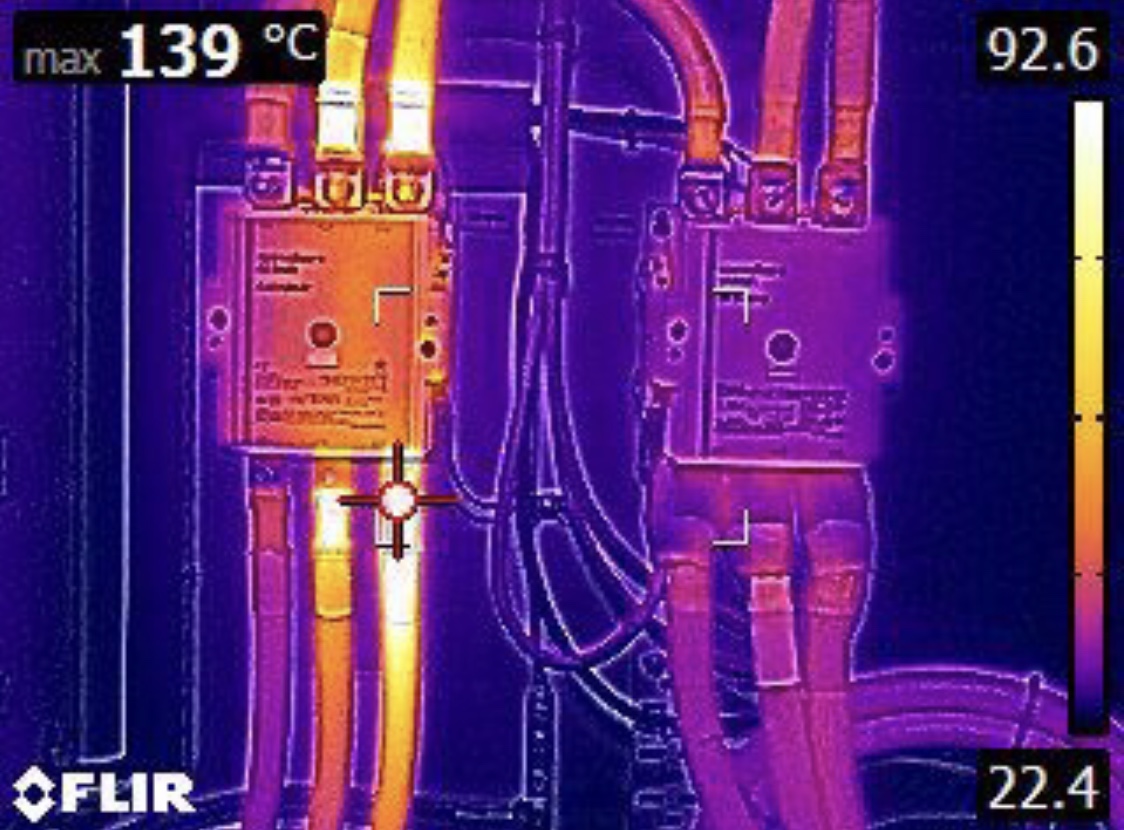
Most electrical faults come down to too much current or too much resistance. Both turn electrical energy into unwanted heat, and undersized conductors, loose connections or overloaded circuits can run hot enough to melt components. Scan with the system running under normal load, and a thermal image shows the problem early, while it’s still a cheap fix.

Switchboards
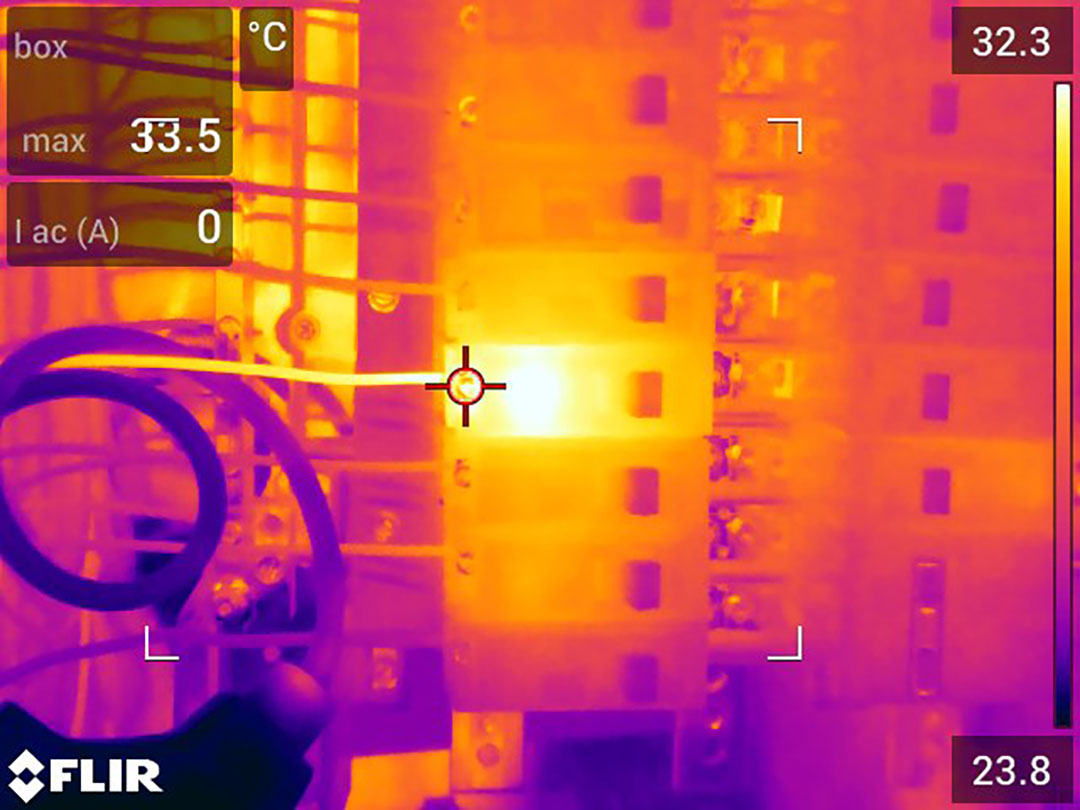
Loose connections, undersized conductors and overloaded circuits all run hot before they fail. A thermal camera shows that heat while the board is live and under load.
A 42° wide-angle lens takes in a whole board from close up, and a 24° lens picks out single breakers from further back.
Advanced switchboard scanning
For large commercial and industrial sites, and contractors scanning boards every day.
- Up to 640 × 480 pixels on the i64, and 464 × 348 on the E86
- FlexView on the E86: one button switches between a 24° view and a 14° close-up
- 42° wide-angle lens on the E76, to take in a whole board from close up
- 30 mK sensitivity on the E86 FlexView and E76, and up to 1,500°C on the E86 FlexView
- SwitchReport runs on the i64
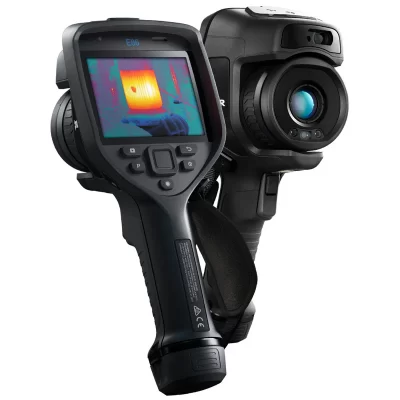 FLIR E86 FlexViewBoards of every size. One button switches between a 24° view and a 14° close-up, with no lens change.464 × 348 · FlexView 24° + 14° · 30 mK · up to 1,500°C Original price was: $19,495.00.$17,545.50Current price is: $17,545.50. ex. GSTViewRequest a best price quote


Premium switchboard scanning
For regular commercial switchboard work and reporting.
- 320 × 240 pixels, meeting the electrical standard
- 24° lens on the E54 for detail from further back, 33° on the E8 Pro
- 40 mK sensitivity
- SwitchReport runs on the i34, and the E54 and E8 Pro work with an Infratek Thermal Studio template
 FLIR E54Narrow switchboard scanning from further back, and reports on a Thermal Studio template.320 × 240 · 24° lens · up to 650°C Original price was: $8,495.00.$7,645.50Current price is: $7,645.50. ex. GSTViewRequest a best price quote
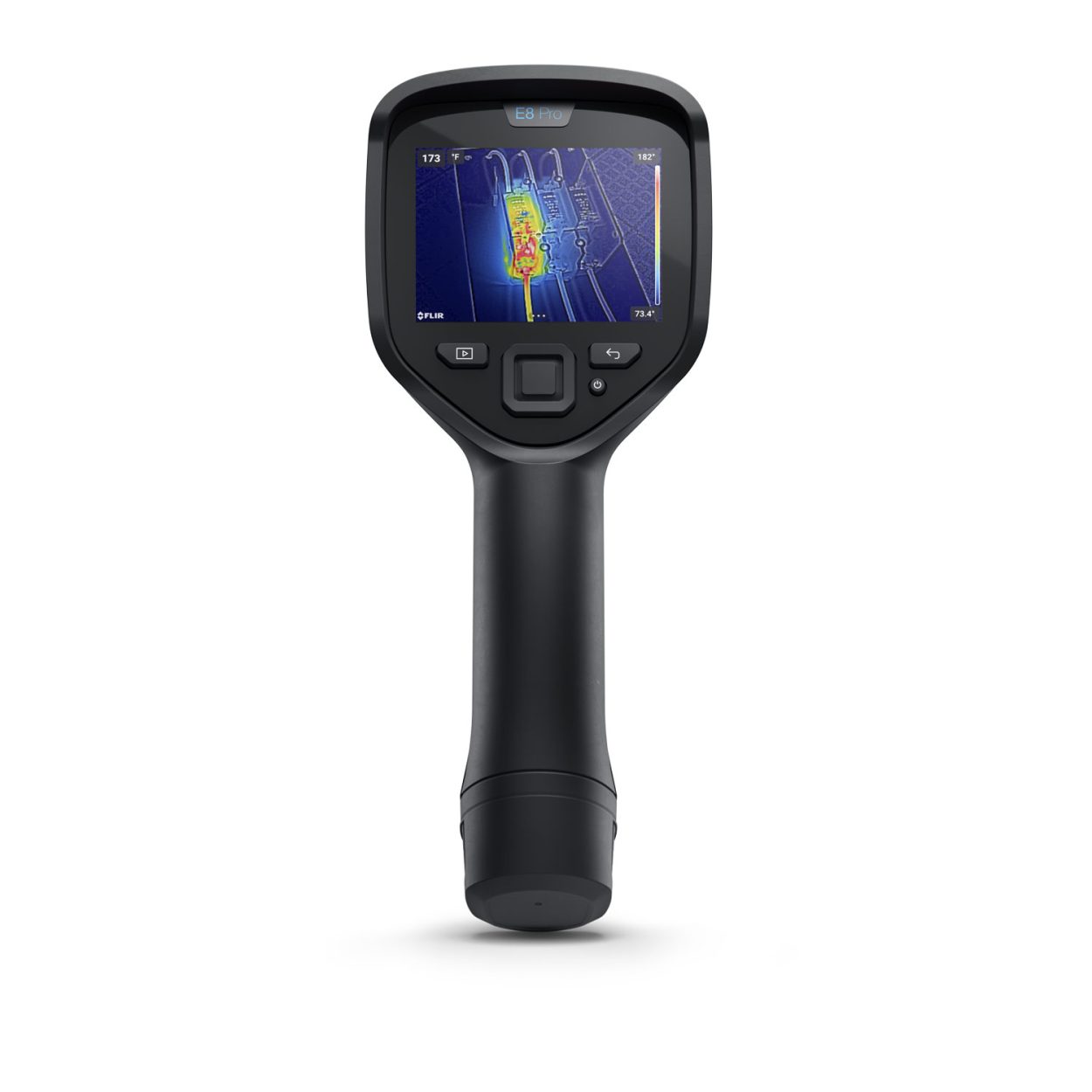
Entry-level switchboard scanning
For occasional checks, or a camera that’s always in your pocket.
- 320 × 240 pixels in a pocket-size camera
- Measures up to 450°C
- Works with an Infratek Thermal Studio report template

Custom switchboard reporting
Finding the fault is half the job. The report is what your customer reads, and insurance companies currently expect thermal scanning on insured industrial, commercial and residential property as part of general maintenance.
If you send thermal reports to clients, they should look like they came from your business. There are two ways we can set that up, depending on where you write your reports: on your computer in FLIR Thermal Studio Pro, or on a FLIR iXX camera with SwitchReport.
 New camerasSmart AI reporting for FLIR’s app-enabled camera range.Works only on app-enabled FLIR cameras →
15% off RRP when you buy FLIR Thermal Studio with any thermal camera. Buy them together online and 15% comes off both in the cart.

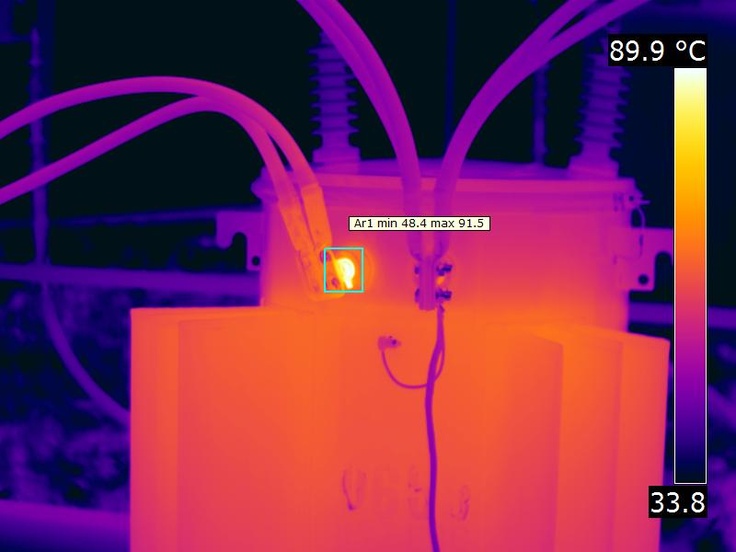
Power lines and transformers
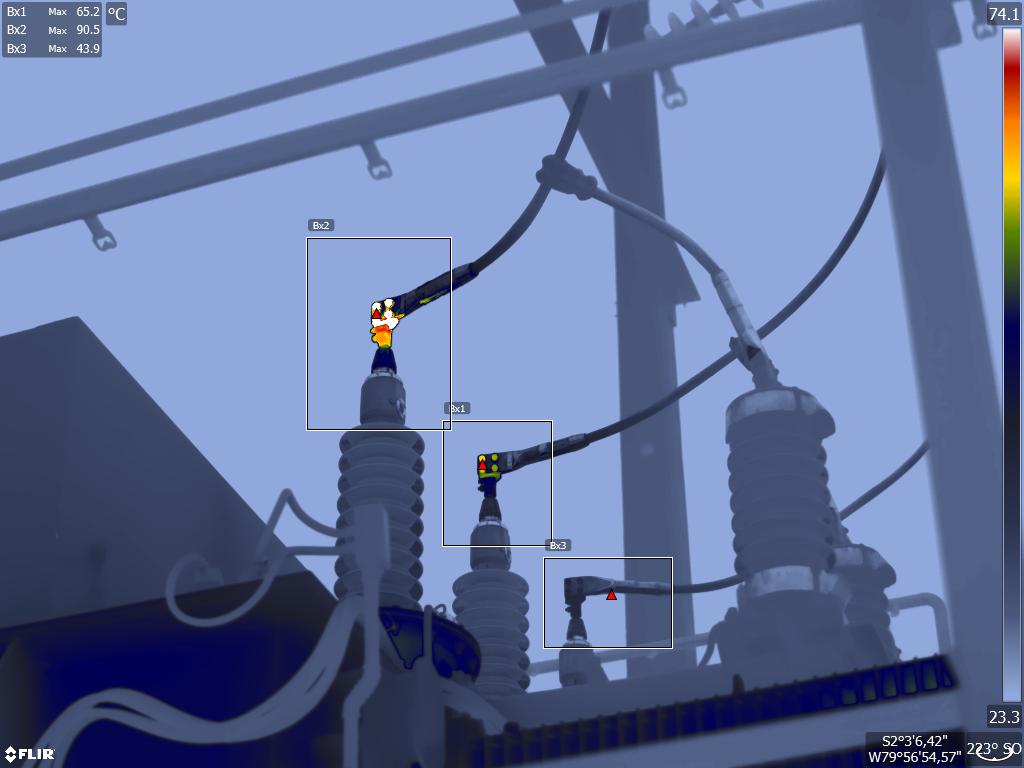
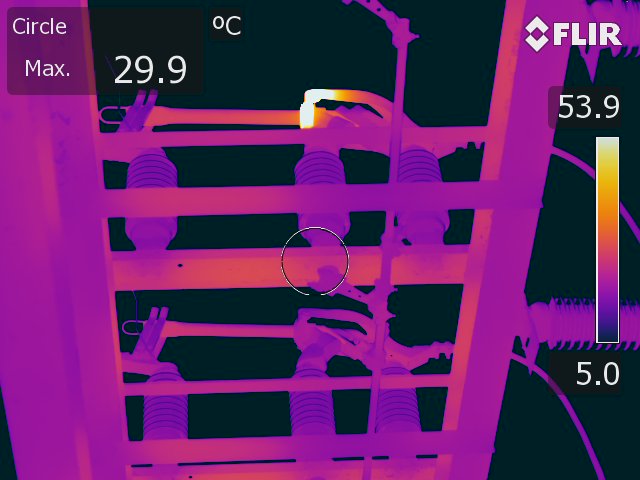
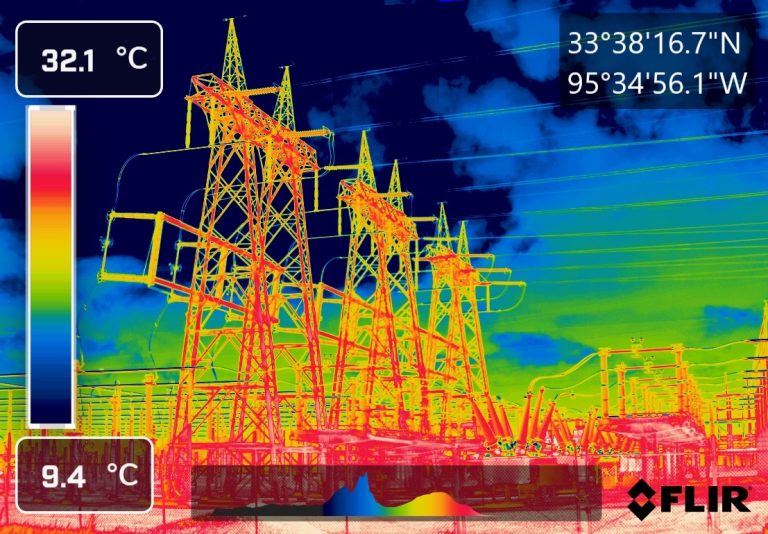
This work is usually done from the ground, at a safe distance and often in full sun. The FLIR T1010, T865 and T560 are built for it.
The T1010, T865, T560 and E96 all meet it.
The T865, T560 and E96 give 640 × 480 detail, and the T1010 gives 1024 × 768, so a small hot connection still shows from a distance. On the FlexView cameras, one button switches to the 14° telephoto view for a closer look at a pole or a transformer, with no lens change, and the rotating lens block on the T1010, T865 and T560 lets you aim up at the lines and still see the screen. The T865 adds a viewfinder, so the image stays clear in bright sun.
 FLIR T1010Substations and transformers in the most detail, scanned from a distance.1024 × 768 · 25 mK · 28° lens · rotating lens · up to 650°CCall for priceViewRequest a best price quote
 FLIR T865 FlexViewPower lines, transformers and substations, even in full sun.640 × 480 · FlexView 24° + 14° · viewfinder · up to 2,000°C$51,495.00 ex. GSTViewRequest a best price quote


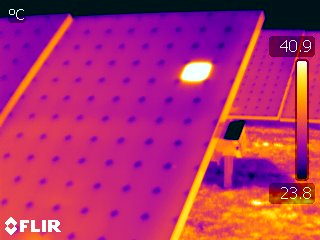
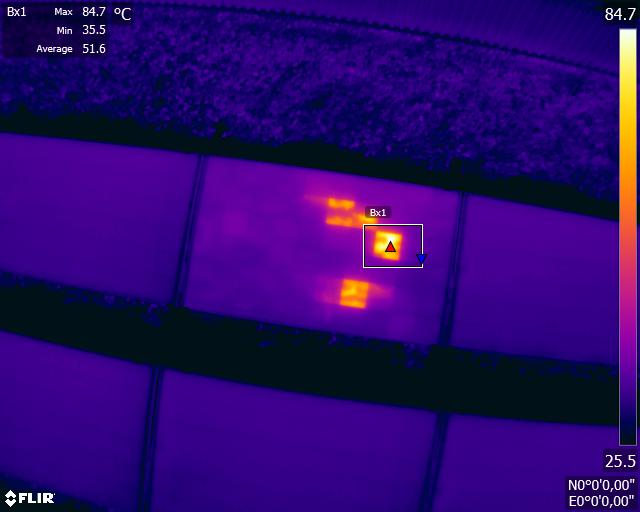
Solar panels
A defective cell runs hotter than the cells around it, so a scan finds the faulty panel while the system is running, without testing each panel by hand.
The i34, E8 Pro and C8 meet it.
A wide-angle lens takes in more of the array from where you stand, so each image covers more panels.
Premium solar scanning
For regular solar inspection and maintenance work.
- 320 × 240 pixels on both
- A wide-angle view on the i34, so each image takes in more panels
- 40 mK sensitivity
- A 5-inch touchscreen on the i34
Mid-range solar scanning
For solar checks with a camera that lives in your pocket.
- 320 × 240 pixels, meeting the solar recommendation
- Pocket size, about 200 g
Entry-level solar scanning
A defective cell is large, so a lower-resolution camera can still find one. We still recommend 320 × 240 for solar work.
- A wide-angle view that takes in a whole panel close up
- 160 × 120 pixels
- Pocket size
Not sure which suits your solar work? Tell us about it and we’ll recommend the right camera.
Add-on meters
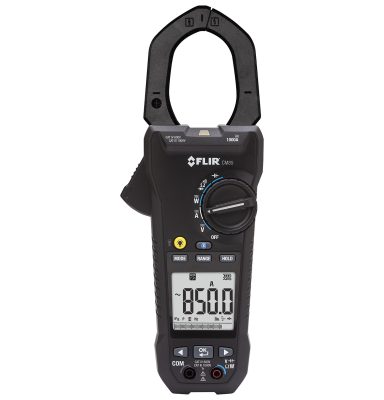
A thermal camera shows where the heat is. A meter measures the load behind it, so you can tell an overloaded circuit from a bad connection.
15% off RRP when you buy two or more cameras and meters together online. The discount comes off each one in the cart. T-series, T1K and acoustic cameras are quoted on request.
 FLIR DM286A multimeter with a thermal imager built in. It shows a hot spot before you make contact.IGM thermal imager · MSX · stores up to 30,000 images Original price was: $1,650.00.$1,485.00Current price is: $1,485.00. ex. GSTViewRequest a best price quoteAdd to cart
 FLIR CM276A clamp meter with a thermal imager built in, for finding hot spots and overloaded circuits from a safe distance.IGM thermal imager · MSX · rechargeable battery Original price was: $1,495.00.$1,345.50Current price is: $1,345.50. ex. GSTViewRequest a best price quoteAdd to cart

Request a best price quote
Tell us what you need and we’ll send you our best price. Every camera comes with free training.
Bret Jones, Certified Thermographer, has over 30 years’ experience in camera selection, training and switchboard reporting. Not sure which camera fits your work? Talk to Bret first.
Your quote request:
"*" indicates required fields