
-
×
 MR04 Extension Pole
3 × $165.00
-
×
 FLIR TG165-X Spot Thermal Camera
1 × $687.50
-
×
 FLIR E5 Pro Infrared Camera (free training)
1 × $2,304.50
-
×
FLIR EM54 HVAC/R Environmental Meter
1 × $467.50
-
×
 FLIR ONE Pro USB-C for iOS (free training)
1 × $671.00
-
×
FLIR TG268 24:1 Spot IR Thermal Imaging Camera
1 × $907.50
-
×
4 Inch Pins for MR06, MR07 & MR08 - Includes (1) pair
1 × $88.00
-
×
FLIR MR59 Ball Probe Moisture Meter (with training)
3 × $434.50
-
×
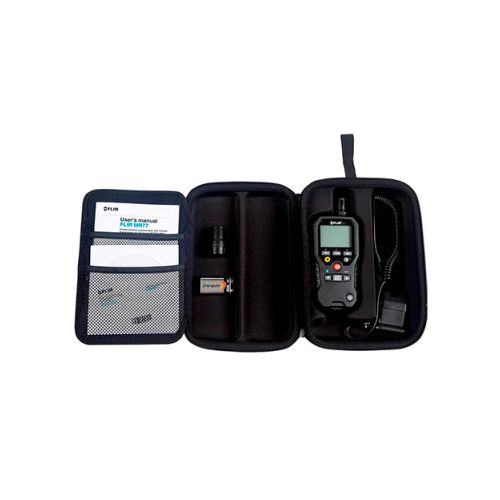
FLIR MR77 Pinless Moisture Pyschrometer (with training)
1 × $1,457.50
-
×
FLIR C8 Compact Thermal Camera (free training)
1 × $1,534.50
-
×
 FREE braided USB-C car charger cable with an infrared camera purchase (1m)
1 × $0.00
-
×
Universal CAT IV Insulated Alligator Test Probe Clips
2 × $33.00
-
×
FLIR E8 Pro FLIR PROTECT 3 Year Extended Warranty (5 years total)
1 × $0.00
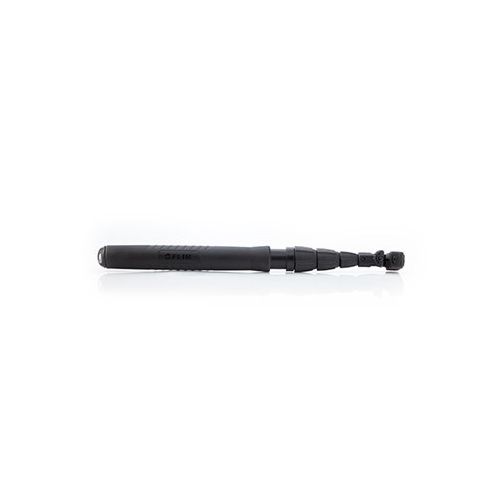 MR04 Extension Pole
 FLIR TG165-X Spot Thermal Camera
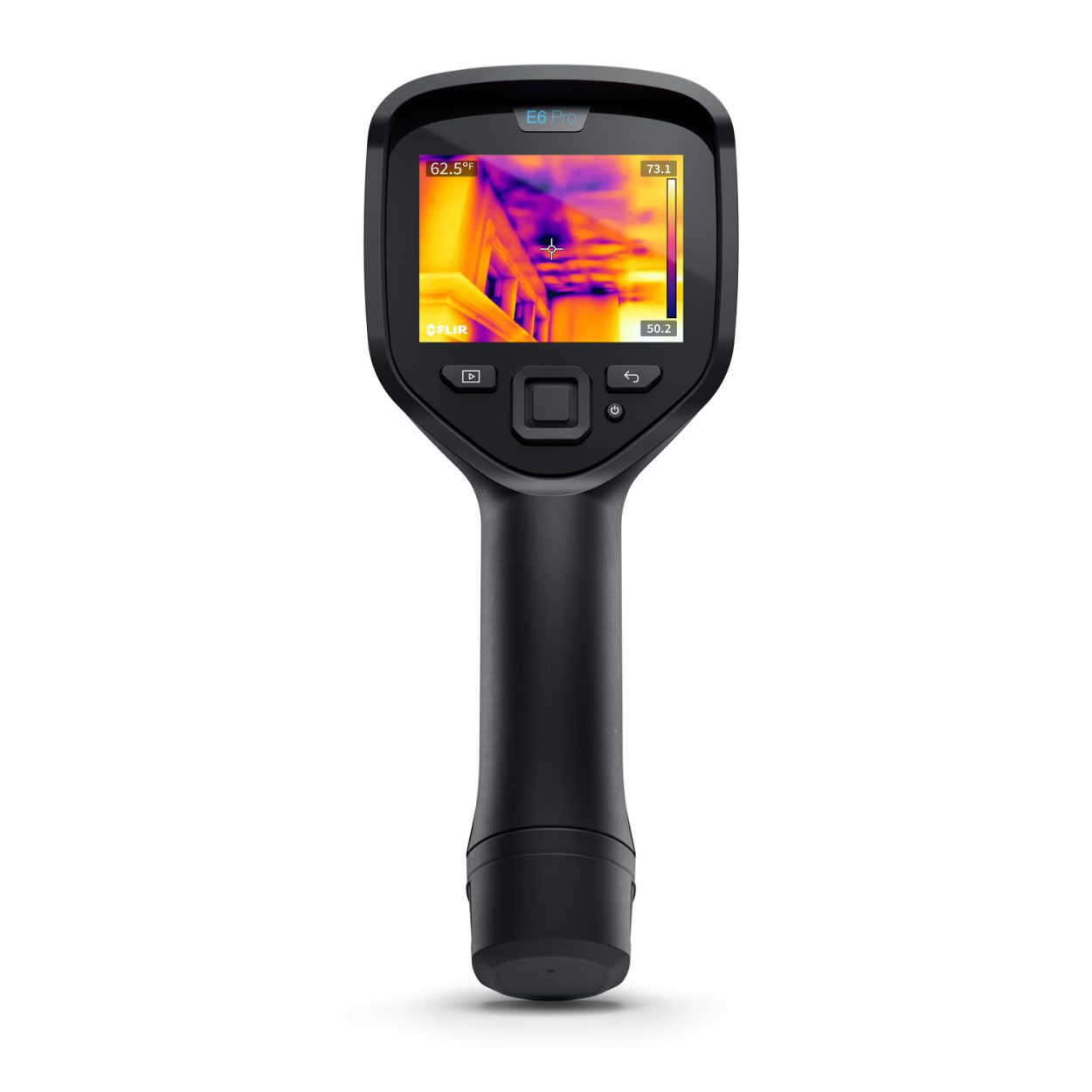
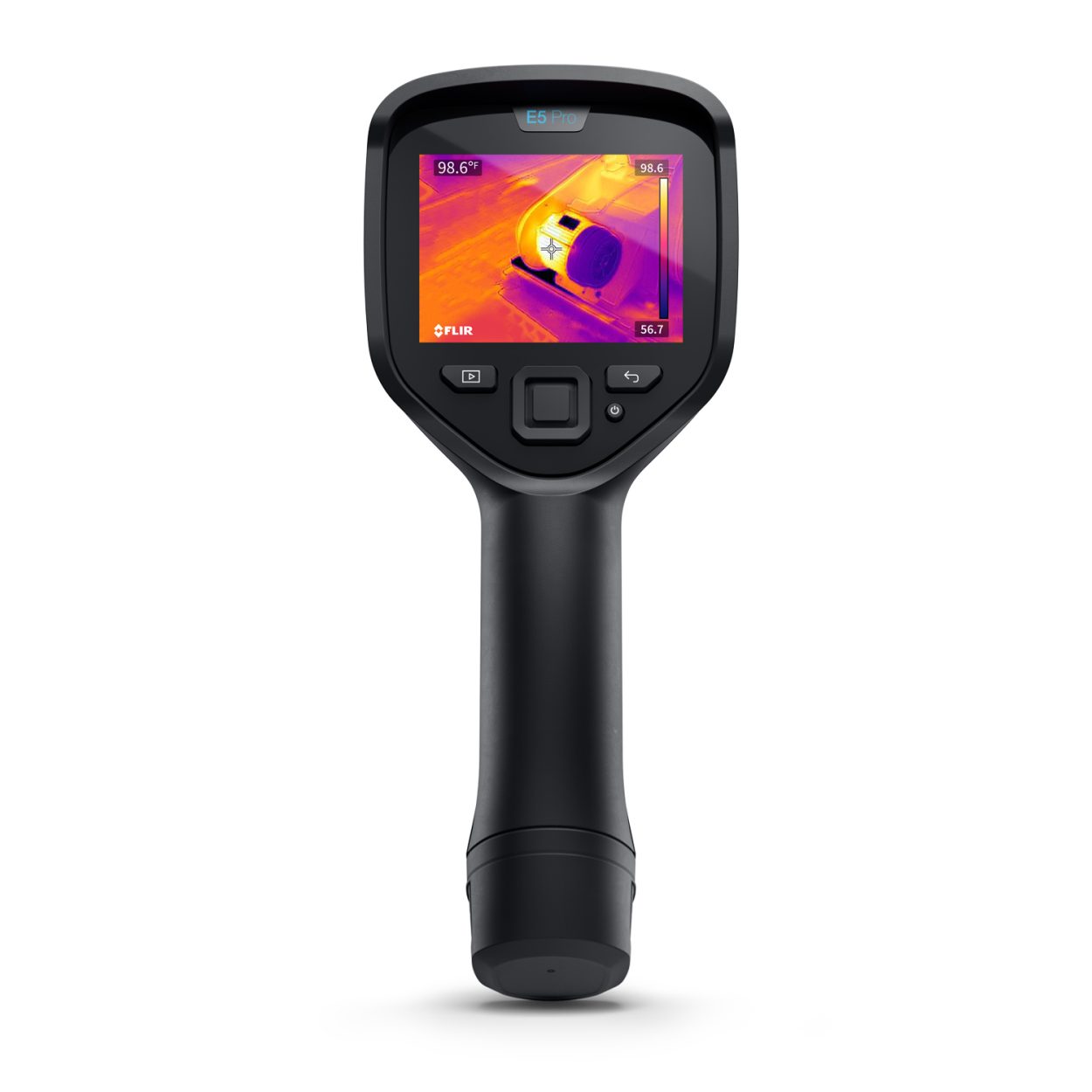 FLIR E5 Pro Infrared Camera (free training)
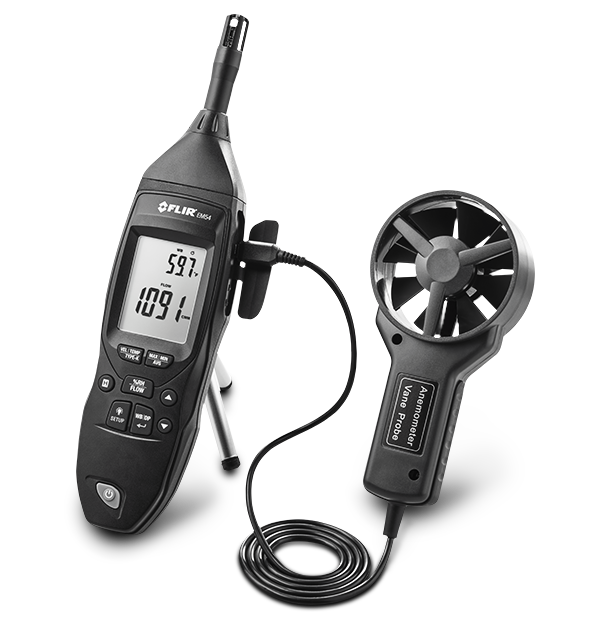 FLIR EM54 HVAC/R Environmental Meter
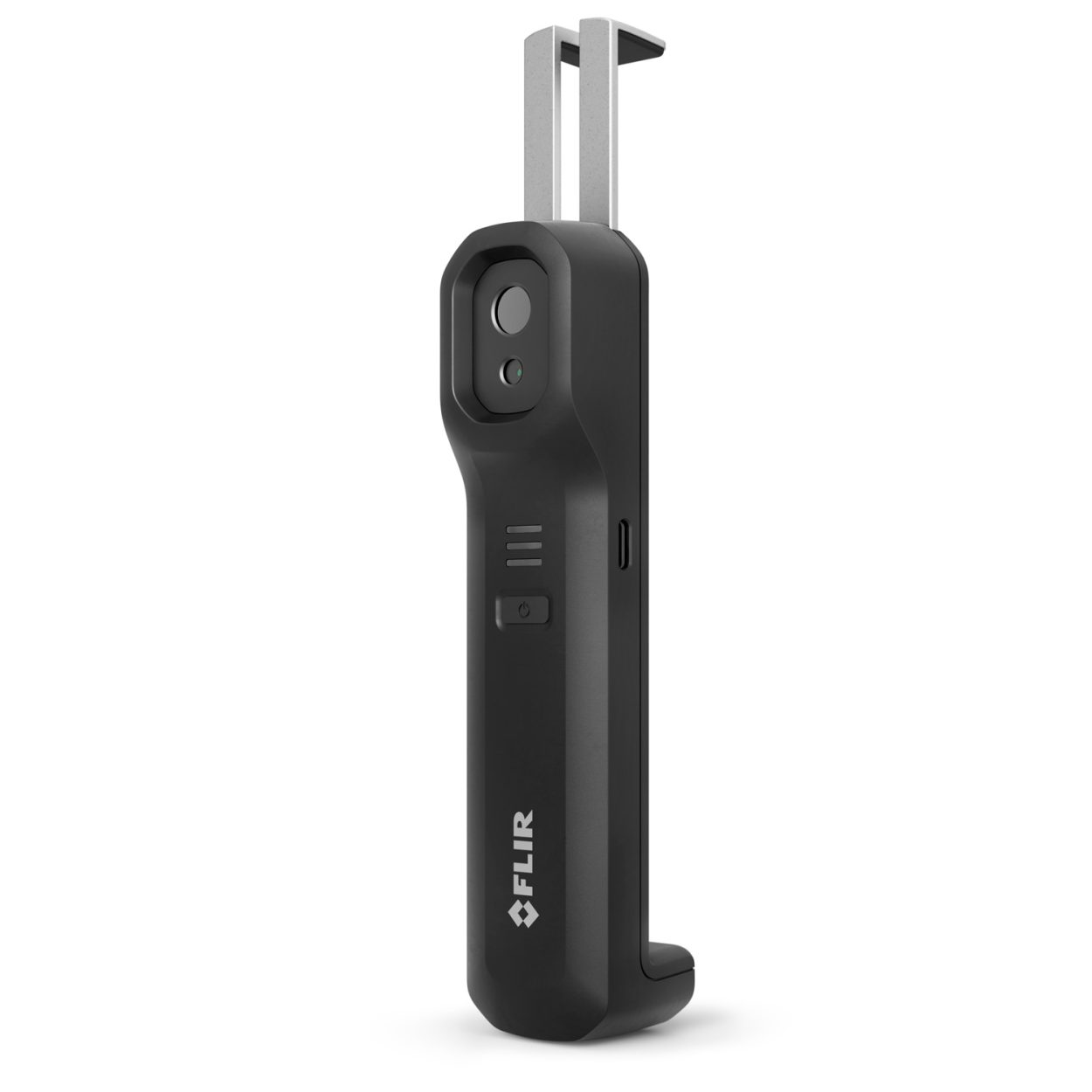
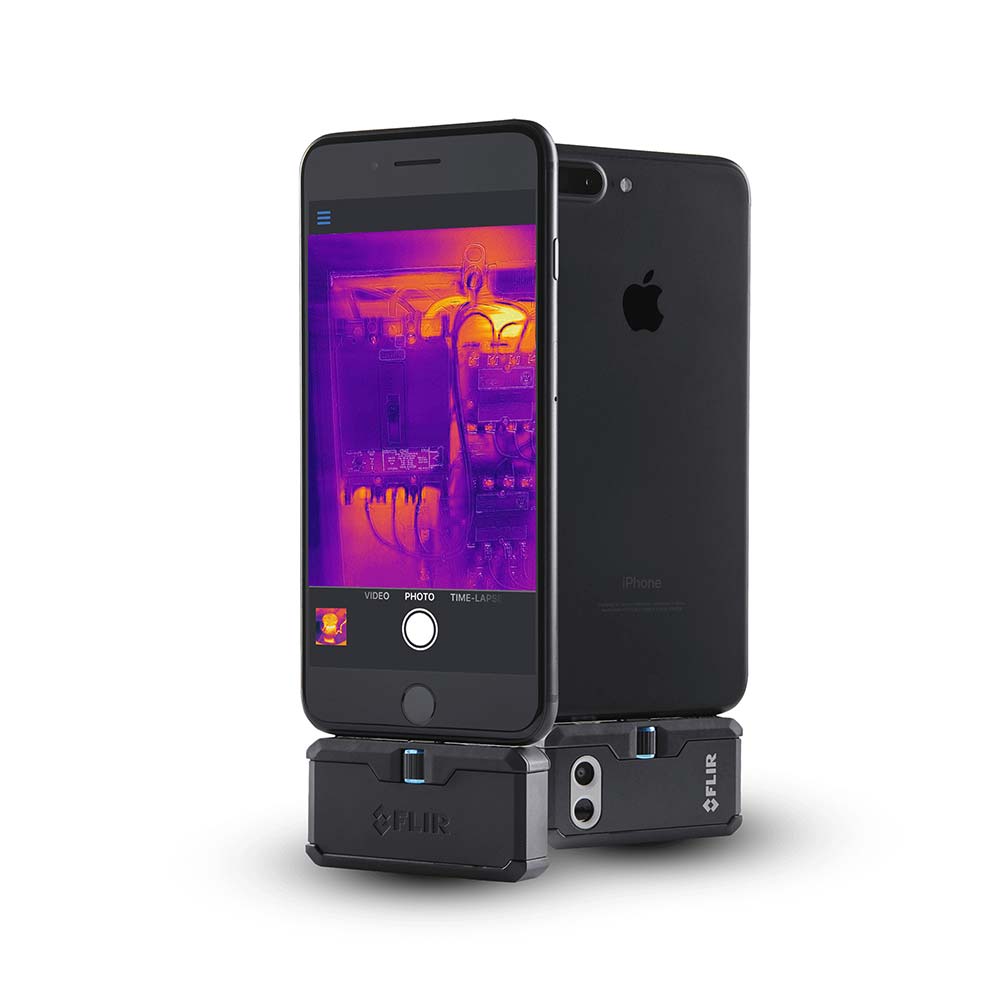 FLIR ONE Pro USB-C for iOS (free training)
 FLIR TG268 24:1 Spot IR Thermal Imaging Camera
 4 Inch Pins for MR06, MR07 & MR08 - Includes (1) pair
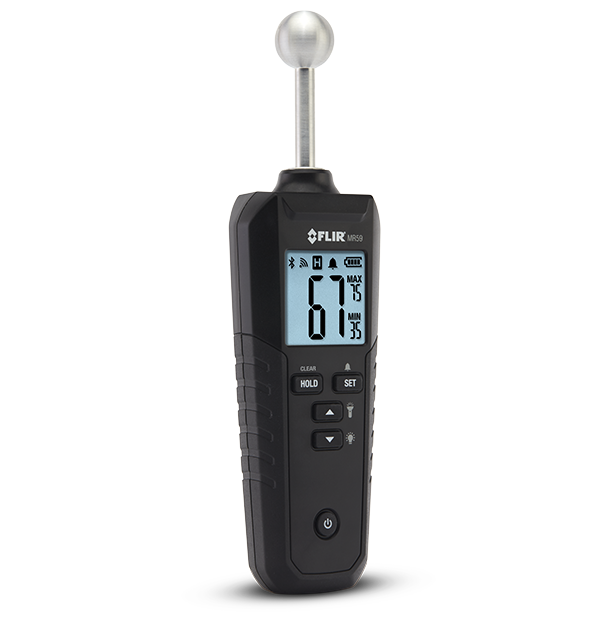 FLIR MR59 Ball Probe Moisture Meter (with training)
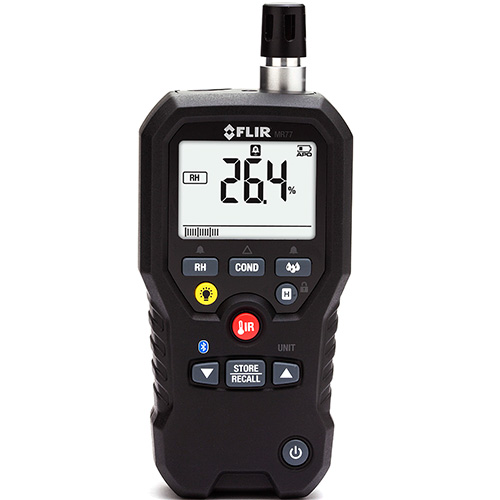 FLIR MR77 Pinless Moisture Pyschrometer (with training)
 FLIR C8 Compact Thermal Camera (free training)
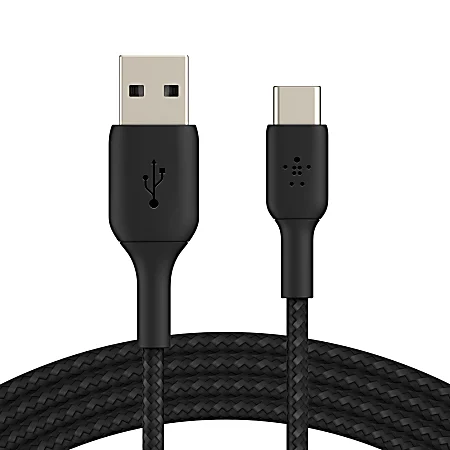 FREE braided USB-C car charger cable with an infrared camera purchase (1m)
 Universal CAT IV Insulated Alligator Test Probe Clips
 FLIR E8 Pro FLIR PROTECT 3 Year Extended Warranty (5 years total)
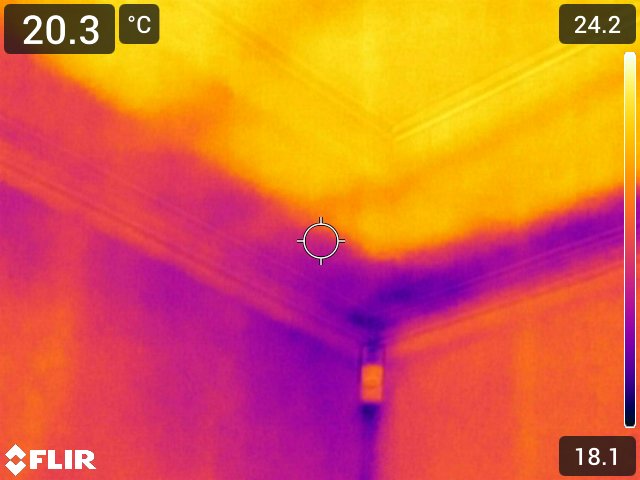

We are the #1 FLIR DISTRIBUTOR in Australia for INFRARED CAMERA SALES in 2024, and also for our after sales services, support and training.
*Source: Flir Australia - September 2024